
Practical Thoughts on Writing
Mostly from other writers (and some from me of course)

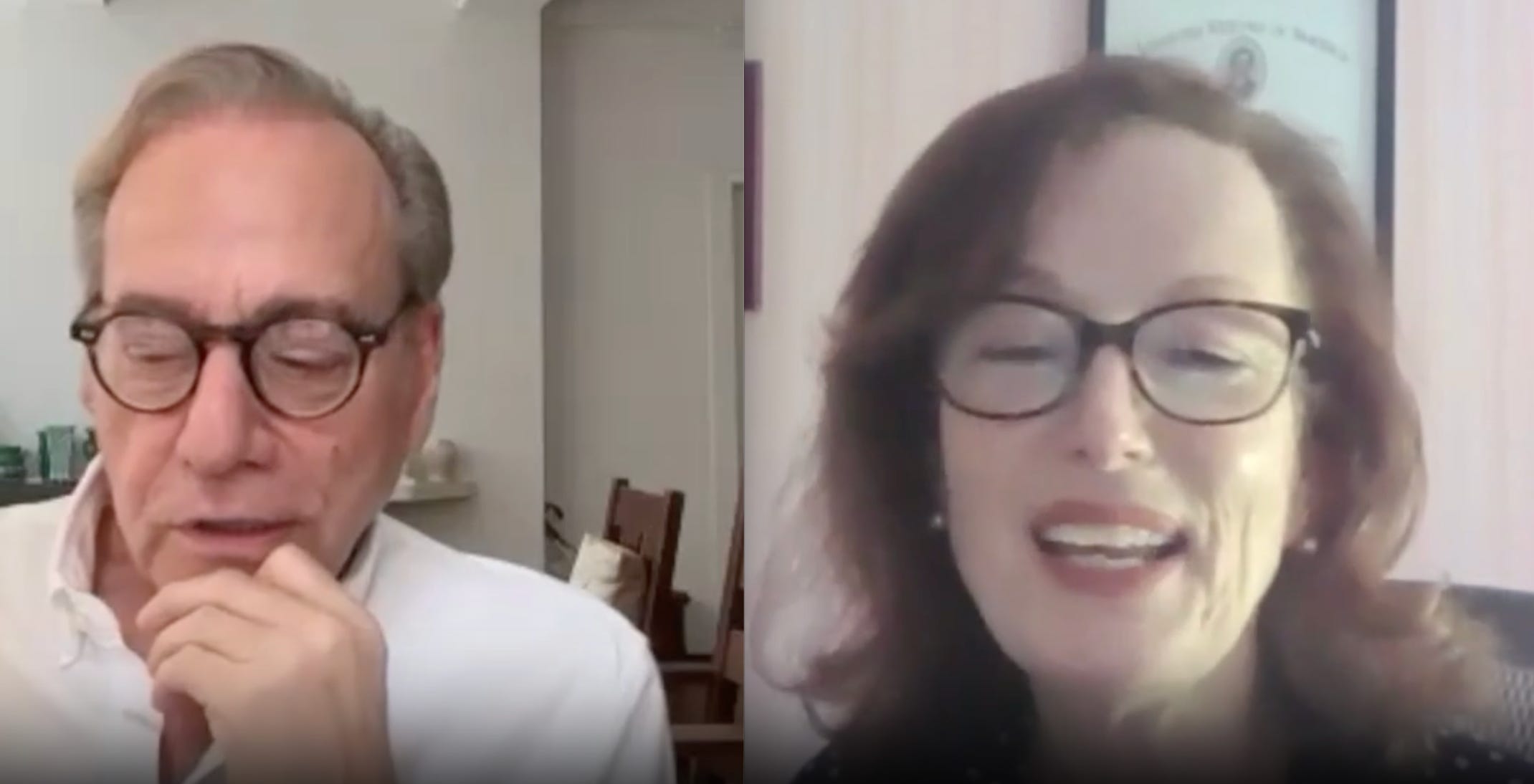
Because I’ve been interviewing writers lately, as well as struggling with the beginning of a new book, all the whys and wherefores of writing are on my mind. The question of how much to plot, how much to leave to intuition, the structure, timeline, all things I talked about with Joe Finder (my zoom video with Joe soon to be aired).
We also talked a lot about writing dual time periods, because it is such an integral part of Joe’s wonderfully complex novel “The Oligarch’s Daughter,” and something I have used in my historical thrillers “The Last Mona Lisa” and “The Lost van Gogh.” It’s tricky, the back and forth between two timelines, the question of when to cut from one to the other (there has to be a reason). As Joe said, after you make the cut and switch to the other timeline you need to go back and “do the architectural work,” smooth out the transition, that whatever triggered the switch from one time to the other has to have a reason, and you need to do it in a seamless way the reader hardly notices. It’s an art and a challenge for the writer and sometimes for the reader, but interesting and a particular way of moving through a novel.
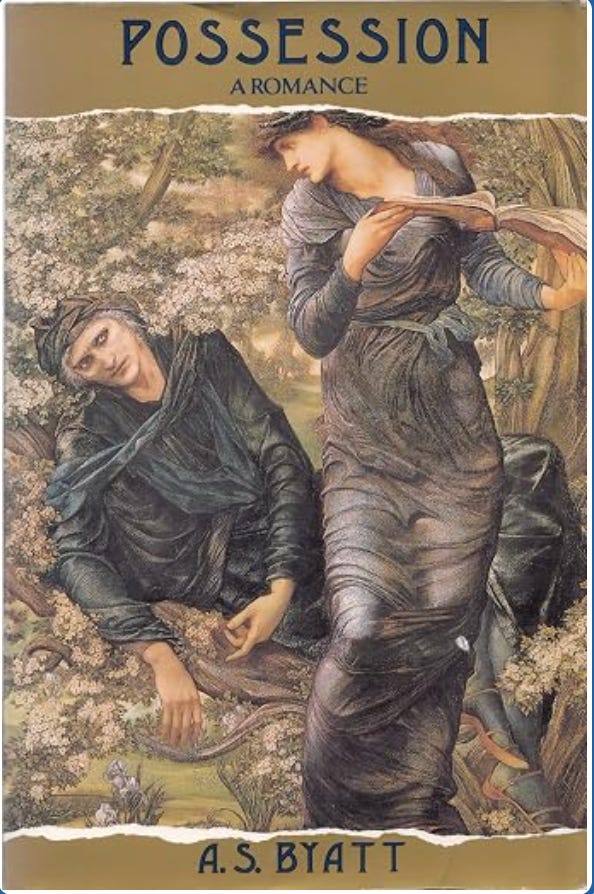
It makes me think about one of my long-time favorite novels with a dual timeline, A.S. Byatt’s Possession, which I highly recommend.
Parallel stories have always fascinated me because I believe they are closer to real life. Peoples’ lives rarely move along a straight line. For many of us, the past is always there and exerts influence over our present life and motivations, what drives us to act a certain way (time to check in with your therapist?).
In my forthcoming novel “Ten Perfect Guests” I do not have a dual timeline, instead ten characters whose lives and stories intersect all at once (fun in the end, but maddening in the process).
In storytelling, the writer often smooths out that line, the journey or the protagonist’s arc, stripping away distracting side stories and the boring day to day necessities of life (how many protagonists do you know who go to the bathroom?). I’ve said this before, and I’ll say it again: art is not real life no matter how “realistic” it is. Art is an elevated version of life, slightly larger than life. The writer takes something from life and makes it interesting.
Alison Gaylin said in our zoom interview that when she studied playwriting the professor had them tape an ordinary conversation between to two people then write it up as dialogue. “It was so dull!” Alison said. Of course. The writer’s job is to take that ordinary conversation and make it interesting.
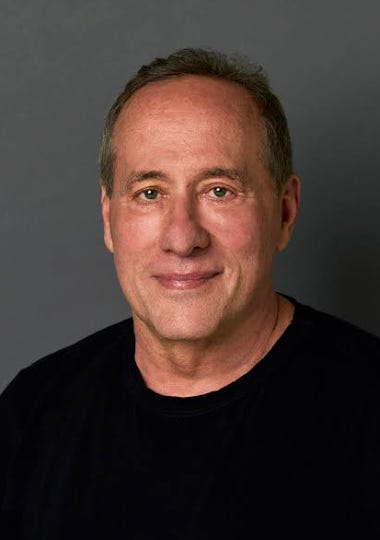
Joe Finder requires that each scene “reverse, reveal or surprise.” That sounds like a tall order, but not really. It’s what writers are doing all the time, moving the plot and character forward by revealing something, surprising the reader, or even reversing the story (something that can only happen a few times in a novel if you don’t want whiplash!).
I say this a little differently: every scene needs to propel your story, give us some new information, answer a question or contradict something we believed to be true, all contributing to forward motion, to feeding the engine that is fueling our characters and our plot.

Lee Child described writing a novel as a series of questions, posing one then answering it, then posing another, answering it, then another, and so on. As we learn the answers to those questions Child is moving his story forward.
This doesn’t mean you can’t have subplots or side stories. You can, but they too need to contribute to moving the character and plot. And a subplot should eventually join the plot line and converge to enrich the story. Otherwise, why is it there? As in life, we sometimes want to take the long way home, to amble, to think, but we still have a goal: to get home.
In talking to Joe and Alison I was aware of how different they were in their backgrounds, their studies, how their early life not only made them unique but fueled the kind of stories they eventually wanted to write. Joe’s Russian studies opened exotic doors about espionage and oligarchs. Alison’s working life as a writer and her personal life as a mother made her critically aware of maternal fears. Rather than let those fears cripple her, Alison puts them into her books. It’s what artists do all the time: look at the things that scare us, dissect them, put them into a story and if not make them less scary, at least understand them.
I loved when Alison said, “There’s a reason neither one of us have committed murder but we write about it all the time.” Indeed.
I’ve always seen art making (painting, writing) as a way to order the world and to make sense of it.
It makes me think about my friend the great writer Joyce Carol Oates, who so often looks at the darkest aspects of human nature.
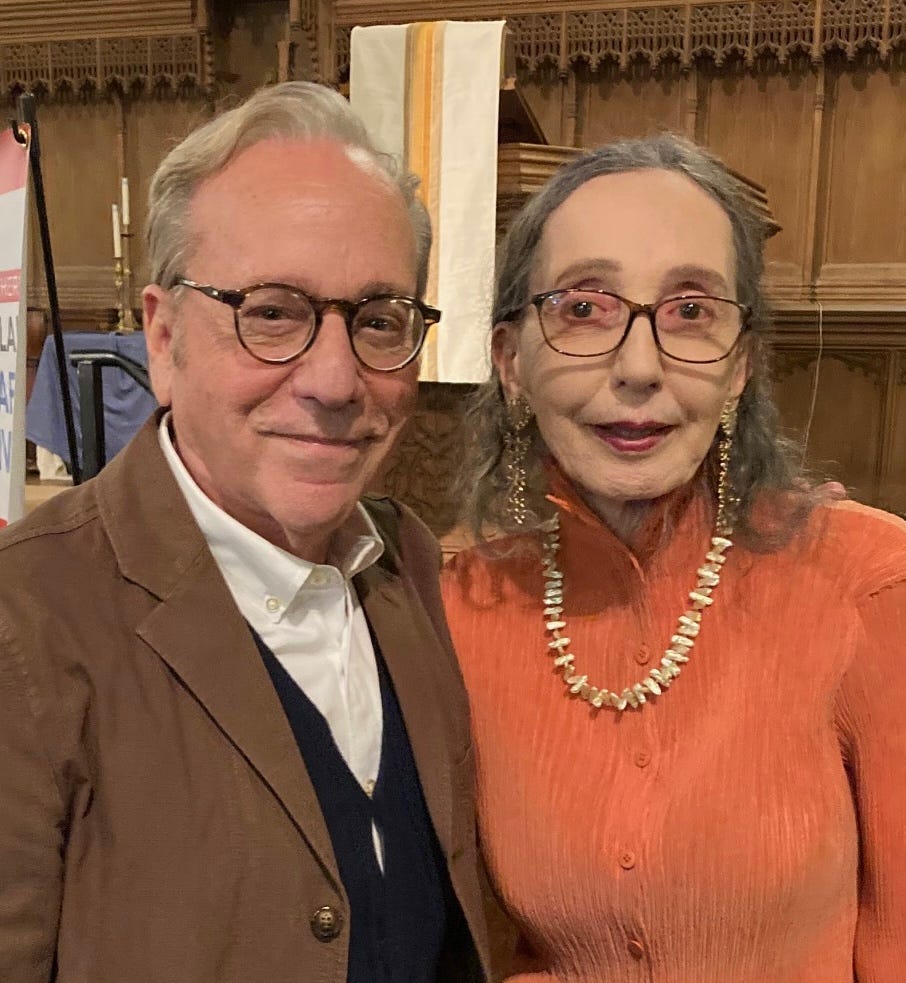
Oates makes the reader see transgression in a new or different light. Her last novel “Fox” deals with a pedophile and it’s a tough novel but a brilliant one because the author never averts her eyes, never prettifies the subject, but looks hard at the victim as well as the perpetrator and tells us something important about crime and class.
The thing is, every writer sees the world differently. It’s why we like one writer for one thing and another writer for something else. I have always told my writing students, “I cannot take away your voice, nor would I want to, it’s what make your writing special, but I can help you find it and be more effective in telling your stories.
Stayed tuned for my zoom interview with Joe Finder, more posts about writing and art, and more interviews with authors.
It was obviously a very different time when Johnson wrote "for money" because now you would have to be a "blockhead" to write FOR money. Like my wonderful graduate painting teacher, teh artist George McNeil use to say, "I feel sorry for you kids because you can no longer afford to be poor."
And then there's Samuel Johnson's advice, which is nothing but practical. "No man but a blockhead ever wrote, except for money." Though I find as I venture into the terrain of fiction, submitting to literary mags and small presses, I can hardly take that as my life's motto. Still I've done my fair share of writing to pay the bills....and there was a time when you could write to pay the bills! I'm not sure how many have that luxury anymore.